-
What does 'DMG MORI products manufacturing' actually cover?
-
Do I need to use DMG MORI tool holders on a DMG MORI machine?
-
What can you actually tell from a CNC lathe machine photo?
-
What should I ask for in a machine acceptance test?
-
Is laser welding as strong as MIG welding?
-
How should I compare a DMG MORI machine against another brand?
-
What's the one question buyers almost never ask?
I'm a quality compliance manager at a contract manufacturer. I review every job before it ships—roughly 200 unique items a year, maybe 180, depending on the month. In Q1 2024, our audit caught a tooling issue that would have cost us a $22,000 rework. So when people ask me about DMG MORI equipment, I don't start with marketing. I start with the details that actually hold tolerance.
If you're comparing machines or trying to understand the DMG MORI lineup, here are the questions I think you should ask—including a few most people don't.
What does 'DMG MORI products manufacturing' actually cover?
DMG MORI is not just a lathe brand. It covers CNC turning centers, milling machines, 5-axis machining centers, laser processing, additive manufacturing, and automation. That's a wider range than most people realize.
For me, the relevant part is integration. A 5-axis mill with robot loading isn't a machine so much as a cell. If you're evaluating DMG MORI products manufacturing capabilities, ask how the machine, tooling, software, and automation behave together. The risk is usually not the spindle—it's the interfaces between components.
Do I need to use DMG MORI tool holders on a DMG MORI machine?
Short answer: not legally, but I'd argue you should think carefully before choosing a cheaper holder. The holder is the mechanical connection between your spindle and the cutting tool. If that connection isn't rigid and concentric, the best machine in the world will still produce chatter, poor surface finish, and oversized holes.
Most buyers focus on spindle speed and axis travel and completely miss tool holder runout. That's the blind spot. I once ran a test with a Kodiak cutting tools flute carbide end mill in two holders—one with maybe 0.0002 in. TIR, one with 0.0005 in. The difference in tool life and finish was obvious. So glad I checked before we ordered a batch of holders for that 5-axis job. Almost approved a cheaper set that would have saved $1,800 upfront and probably caused twice that in scrap and downtime.
You don't necessarily need to buy every brand-name holder. But look at the taper spec, runout rating, balancing grade, and pull stud condition. On a DMG MORI machining center, the tool holder is part of the process—treat it that way.
What can you actually tell from a CNC lathe machine photo?
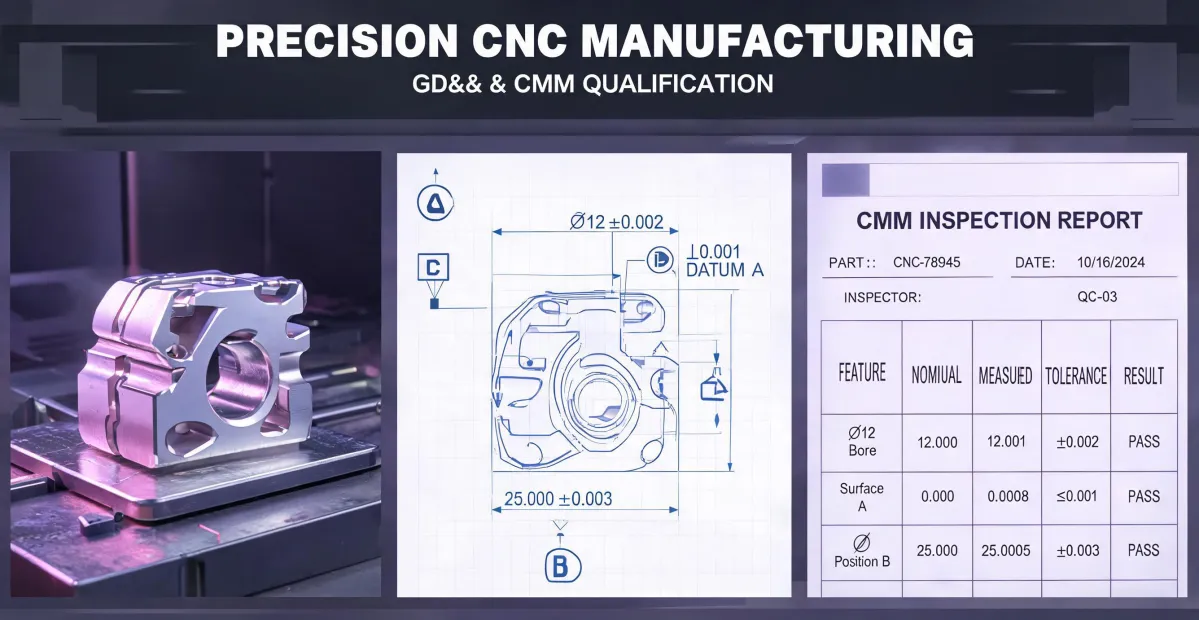
A photo shows you the machine exists. It can show footprint, guarding, a chip conveyor, and maybe the turret. It does not show you the things that determine whether parts will hold tolerance: spindle runout, thermal growth behavior, axis backlash, or the quality of the support network.
When a vendor sends me a CNC lathe machine photo in a quote, I appreciate it. But I spend more time asking for the test report and the ISO 230-1 geometric accuracy data. I might be misremembering the exact layout, but my point is that mechanical accuracy data exists on the machine's spec sheet, and you should ask for it. That is not to say the photo is useless. It just tells you the machine is real, not that it will hold your tolerance.
What should I ask for in a machine acceptance test?
When I approve a new or used machine, I ask for a written acceptance test. That includes geometric accuracy per ISO 230-1, spindle runout measurements, a test cut in the material I actually run, and repeatability data over a run of parts. I also ask to see the tool holder interface checked with a test bar—because a clean taper is useless if the drawbar force is low or inconsistent.
Some vendors will quote positioning accuracy but not repeatability. I want both. It is not about mistrust; it's about avoiding surprises. In my experience, a machine that meets spec on the floor might still drift after warm-up. That's why thermal behavior over a few hours matters as much as the initial number.
Is laser welding as strong as MIG welding?
This one comes up a lot, and the honest answer is: it depends on joint configuration, base material, weld prep, and parameters. In a properly configured butt joint, a laser weld can be as strong as or stronger than MIG, because the heat-affected zone is smaller and the grain structure is often finer. But laser welding has less tolerance for gaps and fit-up error. MIG is more forgiving when the parts don't align perfectly.
I'd argue that framing it purely as stronger misses the real question. What matters is whether the weld meets the design requirement, whether the joint can be inspected, and whether the process is repeatable. DMG MORI's laser and additive technologies are aimed at precision applications where repeatability matters. If you're comparing these processes, get test coupons welded under your actual production conditions, then test them. That gives you evidence instead of a marketing answer.
How should I compare a DMG MORI machine against another brand?
The honest way is to run your parts on each machine, not just a demo piece. Use the same tooling and program where possible, then measure cycle time, surface finish, and dimension spread over a set of parts. A photo or spec sheet won't tell you which machine holds tolerance at the end of a warm summer shift.
I also compare the full quote, not the sticker price. Tooling, workholding, programming, training, delivery, and installation all affect the cost per good part. When a vendor is upfront about those costs—even if the total is higher—I trust the number more.
What's the one question buyers almost never ask?
The question everyone asks is how much? The question they should ask is what's NOT included in that number?
I've reviewed quotes that looked competitive until tooling, workholding, first-article inspection, programming, training, delivery, and installation were added. In my opinion, transparent pricing is a better long-term signal. The vendor who lists all fees upfront—even when the total looks higher—usually costs less in the end. Hidden costs show up as change orders, and change orders cause delays and finger-pointing.
So ask for a line-item breakdown. Ask what happens if the machine arrives late, or if the tool holder runout doesn't meet spec. I learned this after a $22,000 quality issue delayed a launch in 2022. If we had specified acceptance criteria and inspection data before signing, we would have caught it earlier.