The Order That Looked Simple on Paper
In March 2023, our production manager forwarded me a purchase requisition with a tight deadline. We needed a batch of forged shafts, a set of blank forgings for an upcoming CNC run, and—because the customer kept adding scope—stainless steel plate flanges and a washing machine tap connector. Standard stuff, I thought. I'd been handling purchasing for our 85-person shop for three years. Forged shaft, shaft forging, precision machined components—these were part numbers I keyed in monthly without thinking twice.
I fired off quote requests to four suppliers and picked the one with the lowest unit price for the specialty items. Delivery: three weeks. I hit confirm, moved on.
That three-week window became the most frustrating month of my purchasing career.
Where It Started Going Wrong
The blank forgings arrived first. The certified material test reports—which I hadn't explicitly requested but assumed came standard—weren't in the box. When I called, the vendor's rep said, "Oh, you wanted those? We usually only send them if the customer asks." I asked. He sent them two days later. The heat lot numbers didn't match the actual parts in the crate.
I should have caught that immediately. Instead, I passed the paperwork to our quality manager and assumed it was a clerical mix-up. Meanwhile, the forged shafts were still in transit. The stainless steel plate flanges had already arrived—but the bolt hole circle diameters were off by 1.5mm from our drawing. Not catastrophic. Just enough that they wouldn't seat flush on our customer's assembly. Enough that we had to rework all forty of them in-house.
The vendor's response: "The tolerance on that dimension is typically considered non-critical in the industry." Our customer's spec sheet disagreed.
Then the washing machine tap connector order went sideways. Different supplier, same pattern: what arrived wasn't what the drawing showed. Thread pitch was close. Not correct. The vendor offered a refund on the unit price. That didn't help us cover the assembly line downtime.
The Turn—and the Real Lesson
Here's the thing: none of these vendors were dishonest. They were just working from their own assumptions about what "standard" meant for forged shaft orders and precision machined components. I'd assumed the same thing—that a shaft forging is a shaft forging, and the details take care of themselves.
I didn't fully understand the gap until our production manager sat me down with the rework log. Forty flanges at 45 minutes each. Twelve shafts rejected at final inspection. One connector size that had to be scrapped entirely because the thread gauge wouldn't pass.
"You know what the difference is between us and the vendors?" he asked. "Nothing. We both think we're speaking the same language. We're not."
Looking back, I should have scheduled a five-minute call with each supplier before ordering. Not a quote request—a conversation. Send me your interpretation of this drawing. Tell me what you're going to ship. It would have cost me fifteen minutes. It cost us nearly $8,000 in rework and expedited replacement parts.
What I Changed
I now treat every precision machined components order—especially forgings and anything with a flange pattern—as a mini education project. Not for the vendor. For me.
First, I send the drawing and ask for their shop's interpretation of the critical dimensions. If they push back or say "it's standard," I know to look elsewhere. Second, I request sample material certs proactively, not after the fact. Third, I verify the vendor's measurement equipment calibration for the specific tolerances we need. That last one has saved us twice in the past year alone.
To be fair, this requires more upfront work. Some vendors see it as a red flag—like I'm going to be a difficult customer. But the ones who welcome the questions? Those are the ones I keep.
According to the Forging Industry Association, dimensional tolerances for impression-die forgings typically range from ±0.5mm to ±3mm depending on the dimension and alloy. That's a wide window. If you're ordering a forged shaft that needs to mate with a bearing race or a splined coupling, that window matters. The vendor might hit their "standard" tolerance and still miss your function.
Same with stainless steel plate flanges. ASME B16.5 governs flange dimensions for most industrial applications, but if your application is non-standard—and a lot of our customers' assemblies are—you need to spell out the interface dimensions in a way that leaves zero room for interpretation. "Standard bolt pattern" is not a specification. It's a starting point for a conversation.
What I'd Tell Someone Starting Out
If you're new to purchasing forged shafts, blank forgings, or precision machined components, here's my advice, in order:
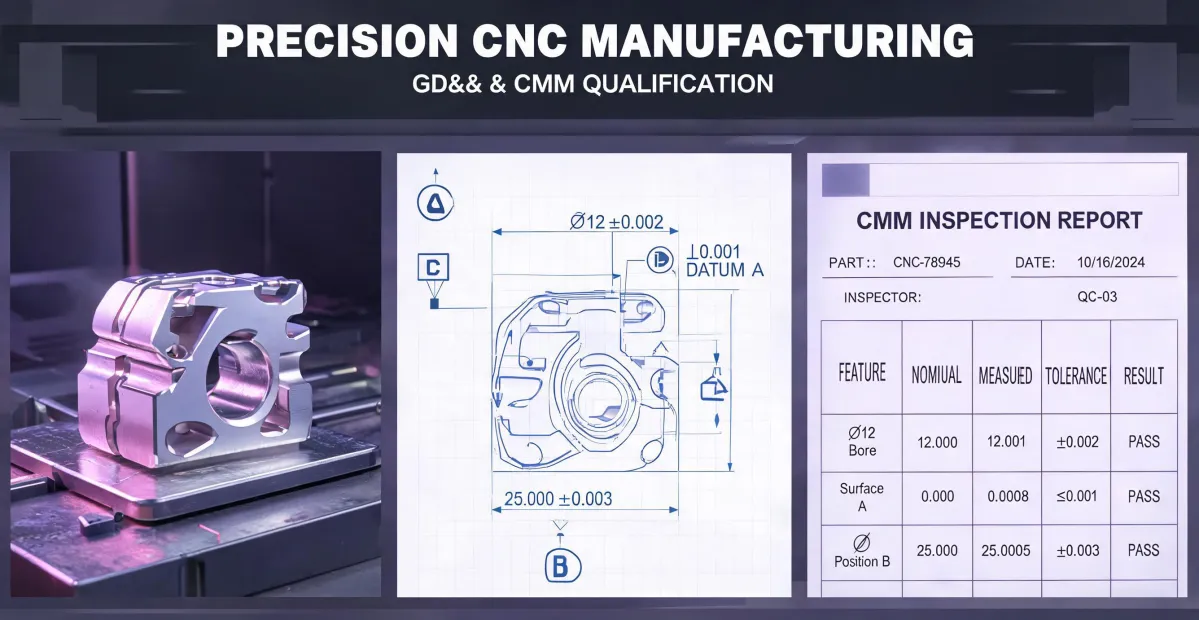
Send drawings with GD&T if you have it—and explicitly mark which tolerances are functional versus reference. Ask the vendor to confirm they can measure and hold those specific tolerances. Request material certs and heat lot traceability before the PO goes out, not after the parts arrive. And—critically—build in a first-article inspection buffer for any new supplier, even if it costs a little more upfront.
The $200 you spend on a proper first article is cheaper than the $2,000 you'll spend on rework. Trust me. I learned that the expensive way.
One more thing: don't assume that because a vendor lists "stainless steel plate flanges" or "forged shaft" as a product category, they understand your application. They know their manufacturing process. You know your assembly requirements. The purchase order is where those two sets of knowledge meet. If that meeting is vague, the parts will be vague. And vague parts cost money.
I still order from three of those four original vendors. The one with the heat lot problem? I gave them a second chance after a long phone call where I explained exactly what went wrong. They assigned a dedicated account rep. We haven't had a single documentation issue since. The other one—the one that told me the flange tolerance was "non-critical"—I didn't bother. Not every relationship can be salvaged.
Educating yourself isn't about becoming an engineer. It's about asking better questions and recognizing when a vendor's "standard" isn't your standard. That's the whole game with forged components. Everything else is just paperwork.