I'm the office administrator for a 150-person manufacturing company in Wisconsin. I manage all purchasing—roughly $1.2 million a year across 14 vendors, from tooling and consumables to service contracts and, as of this year, capital equipment. I report to both operations and finance, so my job isn't just to find the best price. It's to make sure the equipment actually works when it arrives.
When I took over purchasing in 2020, I made the classic invoice mistake. A new vendor offered a great price and I placed an order without checking their paperwork. They couldn't produce a proper invoice. Finance rejected the expense report, and I ate $2,400 out of the department budget. That lesson stuck with me. Before I commit to anything now, I verify the boring details first.
In early 2025, our operations manager gave me a project that tested every bit of that patience. We needed to add machining capacity, plus a few smaller additions. The list had four items: a used DMG MORI CNC machine for sale, a laser welder for tool and die repairs, a 3D printer for plastic fixtures, and a custom plastic part that would have to go to an outside CNC machining service.
The Used DMG MORI CNC Machine: Why Price Wasn't the Problem
We already ran one DMG MORI cell and our lead machinist knew the controls well. So I started where most people start: I searched 'used dmg mori cnc machine for sale.' One listing jumped out immediately. A 2020 DMG MORI NHX 4000 horizontal machining center with under 8,000 spindle hours, 32% below what I expected to pay. The broker's description included the phrase 'spindle recently rebuilt.'
My first reaction? Send a deposit before someone else did. The only reason I didn't was because of that stupid invoice mistake from 2020. I made myself verify first.
Here's something vendors won't tell you: 'recently rebuilt' is one of the most dangerous phrases in the used machine market. It can mean the work was done by DMG MORI's own service team. It can also mean a third-party motor shop made the repair. The price gap between those two situations is huge.
I asked the broker for the rebuild documentation. There wasn't any. A third-party shop had replaced the spindle bearings, and the machine's alarm history didn't match the clean picture in the listing. When I called DMG MORI and checked the serial number, the service record showed the machine had been through a heavy production environment before the rebuild. That wasn't necessarily disqualifying, but it was a warning.
Meanwhile, a friend at another shop told me about a used machine they bought cheap. The seller said the control was fine. It wasn't. The machine sat idle for six weeks while they waited for a software reinstall and a service code. The assumption is that a low price means a motivated seller. The reality is that a low price often means a hidden history the seller doesn't want to put in writing.
We ended up buying through DMG MORI's certified pre-owned program instead. It cost more than the broker's deal, but it came with a warranty, a verifiable service record, and a DMG MORI serial number check that took about 15 minutes. I used dmgmori.com as the baseline for market pricing as of March 2025. The broker later sold that other machine to someone else. I hope that person also made the phone call.
Laser Welder: The Hidden Costs Almost Won
The second item on the list was a laser welder for tool damage and die repair. I typed 'where to buy laser welding machine' and got a predictable set of results: compact hand-held units, bright demo videos, and price ranges that made me think we could get away with a small budget.
One unit looked perfect. It was about $14,000, 1.5 kW, and the video showed clean welds on die steel. Then I asked our tool room lead to review the spec sheet. He asked two questions: 'Where's the chiller?' and 'Can we get replacement optics locally?'
The answer to the first question was that it was an optional accessory. $2,800 extra. The answer to the second was that the optics came from an overseas brand our local service tech had never seen. That's not necessarily a dealbreaker, but it's a risk you need to plan for.
The surprise wasn't the price tag. It was how many expenses weren't included in it. We bought from a regional distributor with a demo unit, a local service tech, and a spare parts inventory. We also paid for a half-day training session for the tool room team. That was around $4,500 more than the online price. But 40 repair jobs later, we've had zero service calls on the unit itself. The 'inexpensive' machine would have cost us more the first time the optics needed replacing.
Good 3D Printers 2025: The Right One Might Not Be the Most Exciting
The third request was for a 3D printer to make plastic fixtures for the shop floor. Not production parts—just quick fixtures, tooling aids, and the occasional spacer. I spent most of February reading 'good 3d printers 2025' comparisons. On paper, some fast resin printers looked amazing. But our parts need to survive in a shop environment, not just look pretty on a desk.
What most people don't realize is that the material profile and the support contract matter more than the hardware speed. A printer can be brilliant and still useless if you can't get a reliable filament profile for the exact resin you need. We chose a mid-range FDM/FFF machine that our engineers had already used. It wasn't the fastest, and it wasn't featured in the 'best of' videos. It has run almost nonstop since March and paid for itself by month four.
If we ever need production-grade metal additive, DMG MORI's LASERTEC line is on the list. We saw one at an open house and it was impressive. But for 2025, the right 3D printer for us was the one our people could support and maintain without a rocket scientist on staff.
CNC Plastic Machining Services Wisconsin: The Slow Quote Was the Best Quote
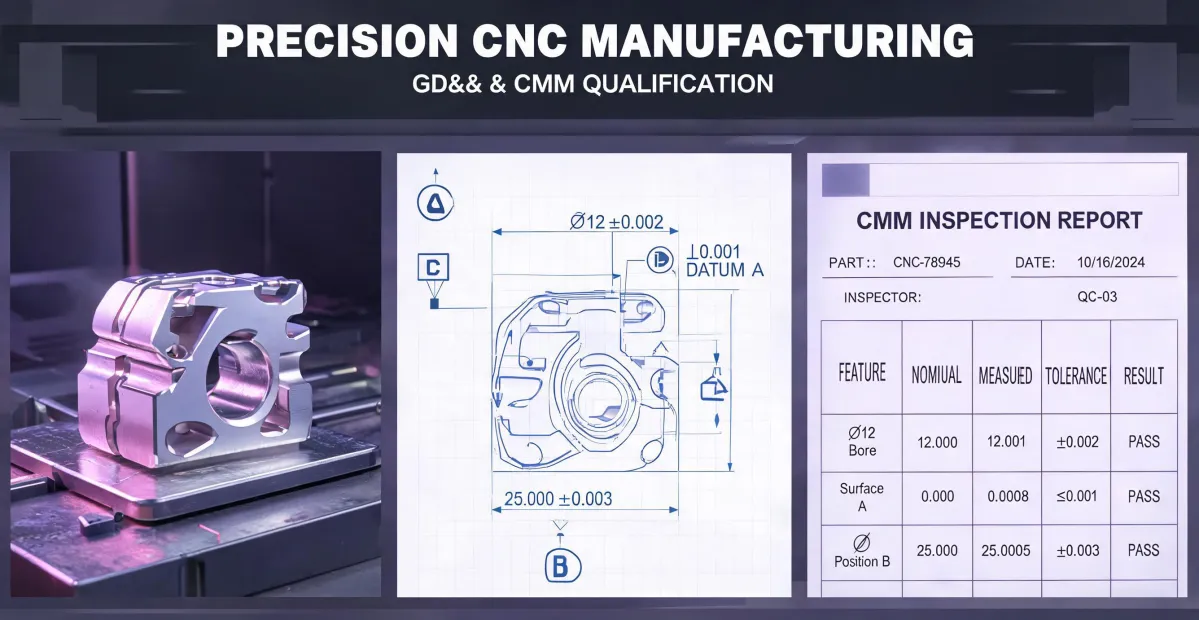
Meanwhile, engineering needed a custom glass-filled PEEK part. We don't machine PEEK in-house because it needs temperature control and tooling we don't have. So I searched 'cnc plastic machining services wisconsin' and sent RFQs to three shops.
The results were a lesson in how to read responses. Two shops sent quotes in two days. The third took six days and asked follow-up questions about geometry, material lot, and inspection criteria. I almost dismissed them as slow. In hindsight, they were doing exactly what I should have been doing: checking before committing.
They also flagged something the other quotes didn't: stress relief after roughing. That little detail can be the difference between a PEEK part that holds tolerance and one that warps. They got the order, and when they found a small burr on one feature, they caught it, reworked it, and sent photos before shipping. It wasn't flawless, but it was honest. That's the closest thing to perfect you can get from a supplier.
Results and Lessons
By May, the used DMG MORI was installed and running production parts. The laser welder had done 40 repair jobs. The 3D printer had logged over 300 hours. The PEEK parts passed inspection. The project looked tidy in the final report, but the path was a lot messier.
If I had to summarize what this project taught me, it would be this list:
- Verify machine history before you verify price. 'Recently rebuilt' is not a service record.
- Add up the support costs. Chiller, optics, training, and downtime are part of the price.
- Careful suppliers are not slow. The Wisconsin CNC plastic machining shop that asked more questions delivered fewer surprises.
I still kick myself for how close we came to buying that first used DMG MORI. One phone call changed the outcome. The checklist I built after that call has already saved us an estimated $18,000 in potential rework and downtime. Five minutes of verification beats five days of correction. I know that sounds like a slogan. In this job, it's just the difference between a good year and a bill I have to explain to finance.